


There are few things more frustrating for a vaper than reaching for your device only to see a blinking light. It always seems to happen at the most inconvenient times—when you’re out with friends, on a break at work, or miles away from a charger.
While vaping technology has advanced rapidly over the last decade, the battery remains the one component that inevitably degrades over time. But how long should a vape battery actually last? Is yours dying because it’s old, or because of how you’re treating it?
Understanding the lifespan of your device is essential not just for convenience, but for safety and your wallet. Whether you are using a simple disposable, a sophisticated box mod, or a standard 510 thread connection, the rules of battery care are universally important.
This comprehensive guide covers everything you need to know about vape battery lifespan, safety protocols, proper charging habits, and how to troubleshoot common power issues.
What Is a Vape Battery?
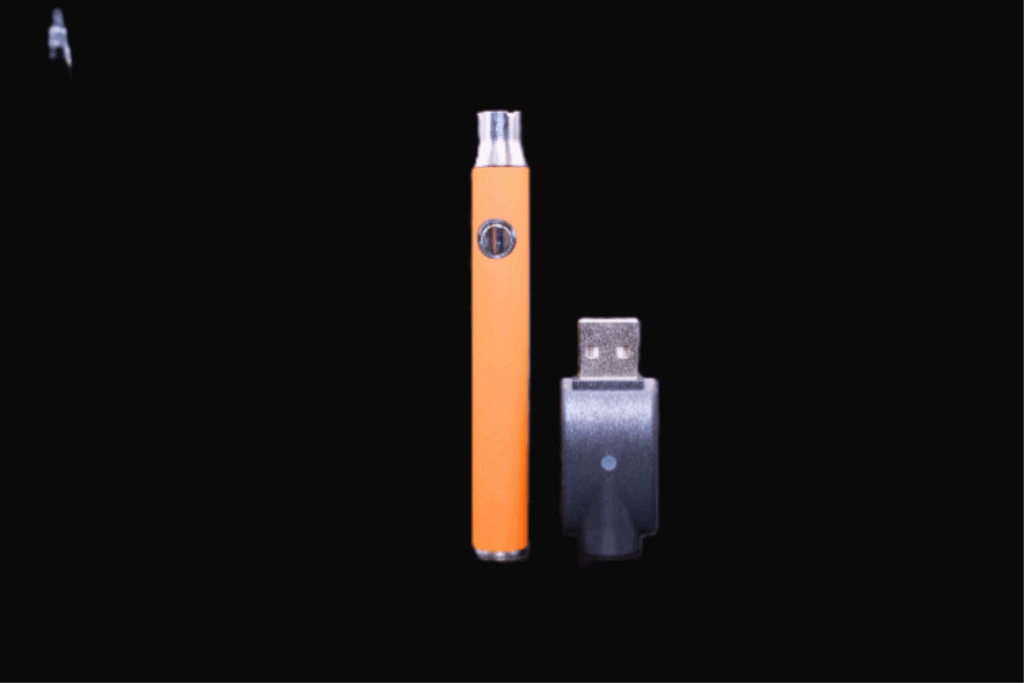
At its core, a vape battery is the power plant of your vaping device. Without it, the heating element (coil) cannot heat the e-liquid or oil to create vapor.
Most modern devices utilize lithium-ion technology, similar to the batteries found in smartphones and laptops. These are favored for their high energy density and ability to be recharged hundreds of times.
When you press the button on your device (or inhale, for draw-activated devices), the battery sends a current through the circuit to the atomizer. This creates heat, turning your liquid into vapor.
While all batteries serve the same function, the terminology can get confusing. You will often hear terms like:
- Vape pen battery: Generally refers to a slim, cylindrical battery that resembles a pen.
- Vape cartridge battery: Specifically designed to connect to pre-filled oil cartridges.
- 510 thread battery: The industry standard connection type that allows different batteries to work with different tanks and cartridges.
The “510” refers to the threading measurement (10 threads at 0.5mm). Because this connection style is so universal, the 510 vape battery has become the most common type on the market for oil and wax vapers.
Types of Vape Batteries
Before discussing lifespan, it helps to know exactly what kind of hardware you are holding. The form factor and chemistry of the battery play a significant role in how long it will last.
510 Thread Vape Batteries
As mentioned, the 510 thread is the universal standard. These batteries are highly versatile. You can usually unscrew a cartridge from one brand and attach it to a battery from another brand without issue. They come in various shapes, from discreet boxes to classic pens, and offer a balance of portability and power.
Vape Pen Batteries
These are named for their shape. They are slim, portable, and usually have the battery built directly into the casing. Vape pen batteries are popular among beginners because they are discreet and easy to use. However, their smaller size often means a smaller battery capacity (measured in mAh, or milliampere-hours), which means they may need charging more frequently than larger devices.
Vape Cartridge Batteries
These are a sub-category of 510 batteries specifically optimized for oil cartridges. They often feature lower voltage settings compared to e-juice vapes. This is crucial because oils can burn easily if the power is too high. A dedicated vape cartridge battery ensures you are heating delicate concentrates at the right temperature.
Built-in vs Removable Batteries
This is a major distinction for buyers:
- Built-in (Internal) Batteries: These are integrated into the device. When the battery eventually fails and stops holding a charge, the entire device must be replaced. They are generally safer and easier for beginners.
- Removable (External) Batteries: Common in advanced “mods,” these use industrial standard cells (like the 18650). When the battery degrades, you simply recycle the cell and buy a new one for a few dollars, keeping the device itself.
How Long Does a Vape Battery Last?
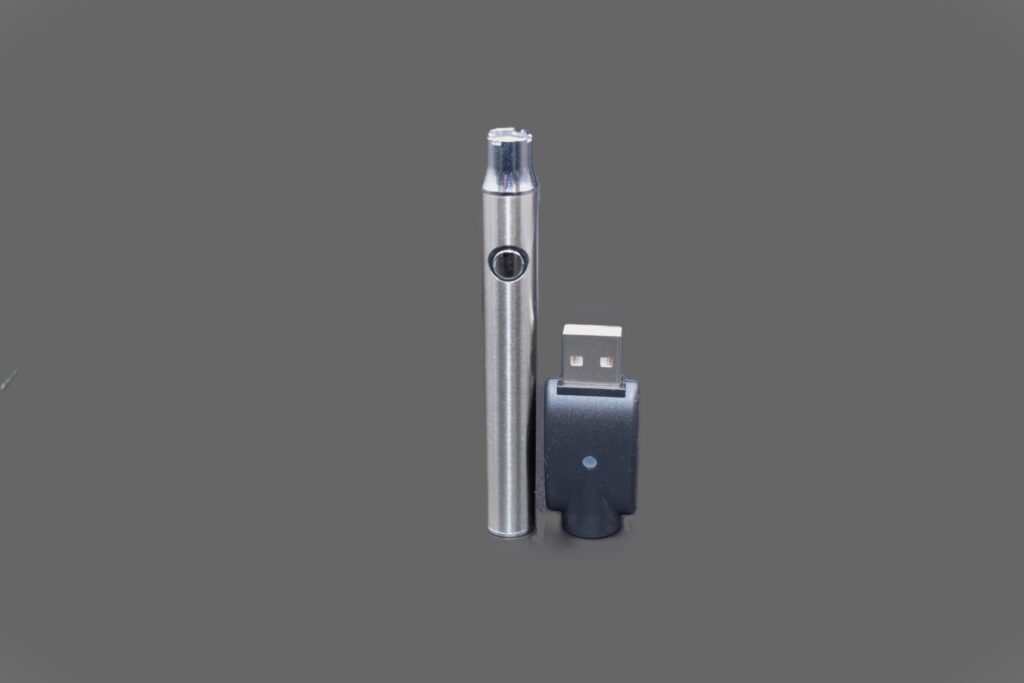
When we ask “how long does it last,” we are really asking two different questions:
- How long will it run on a single charge?
- What is the total lifespan before the battery dies forever?
For the total lifespan, the industry standard for a lithium-ion vape battery is roughly 300 to 500 charge cycles. A “cycle” is defined as draining the battery from 100% down to 0% and charging it back up.
What does this mean in real-time?
- Light User: If you vape occasionally and charge your device every couple of days, a high-quality battery could last you 1+ year.
- Moderate User: If you charge your device once a day, expect a lifespan of 6 to 12 months.
- Heavy User: If you are chain vaping and recharging multiple times a day, you may notice significant performance drops after 3 to 6 months.
The type of device matters, too. A tiny vape pen battery with a small capacity (e.g., 300mAh) will need to be charged more often than a larger 510 vape battery (e.g., 900mAh), meaning you burn through those 300-500 cycles much faster with the smaller device.
Furthermore, cheap, generic batteries often use lower-grade internal cells. While a premium battery might hit 500 cycles, a generic gas station vape pen might start failing after 100.
Factors That Affect Vape Battery Lifespan
Batteries are chemical systems, and like any chemistry experiment, variables change the outcome. Several factors can drastically shorten the life of your battery.
Charging Habits
How you charge your device is the number one factor in longevity. Overcharging—leaving the device plugged in long after it hits 100%—creates stress on the internal chemistry. While modern devices have cut-off protections, relying on them constantly can still degrade the cell over time. Additionally, using “fast chargers” (like the high-amperage block you use for a tablet) on a small vape pen can force too much current into the battery, causing overheating and damage.
Usage Frequency
This is simple math. The more you use it, the faster you deplete the charge cycles. Chain vaping (taking hit after hit without pausing) also keeps the battery internal temperature high, which accelerates degradation.
Heat Exposure
Lithium-ion batteries hate extreme temperatures. Leaving your vape in a hot car on a summer day is a death sentence for the battery. Heat causes the internal fluid to evaporate or degrade, permanently reducing the battery’s capacity. Cold can also cause temporary performance issues, but heat causes permanent damage.
Battery Quality
Not all manufacturing is created equal. High-quality manufacturers use “Grade A” cells that are tested for consistency and safety. Low-quality clones or knock-offs may use rejected cells that have higher internal resistance, meaning they heat up faster and die sooner.
Voltage Settings
Variable voltage batteries allow you to control the heat. Running your device at the maximum voltage (e.g., 4.8V) drains the power significantly faster than running it at a lower setting (e.g., 2.4V). High voltage puts a heavier load on the battery, reducing both the daily runtime and the overall lifespan.
How to Make Your Vape Battery Last Longer
If you want to squeeze every last drop of life out of your device, follow these best practices.
Don’t Let it Drain to 0%
Lithium-ion batteries prefer to stay between 20% and 80% charged. Constantly draining your battery until the device dies puts a strain on the battery cells. Try to top it off before it goes completely dead.
Avoid Charging Overnight
It is tempting to plug your vape in before bed, but this usually means the battery sits at 100% charge for hours while connected to a power source. This generates excess heat and stress. Charge it while you are awake so you can unplug it once it’s full.
Use Original or Certified Chargers
Always use the cable that came with your device. If you must use a wall adapter, ensure it is a standard 5V/1A output. Avoid rapid-charging blocks unless your specific device manual says it supports fast charging.
Store in Cool, Dry Places
Keep your vape out of direct sunlight and away from moisture. If you aren’t going to use the device for a few weeks, charge it to about 50% before storing it. Storing a battery at 0% or 100% for long periods can damage its capacity.
Turn Off When Not in Use
If your battery has a manual on/off function (usually 5 clicks of the button), use it. This prevents the device from accidentally firing in your pocket, which drains the battery and can burn out your coil.
Clean Battery Connections
Over time, dust and small leaks of oil can build up on the connection plate (where the cartridge meets the battery). This gunk increases electrical resistance, forcing the battery to work harder to deliver power. Clean the contact points regularly with a cotton swab and a bit of rubbing alcohol.
How to Vape Safely
Battery safety isn’t just about preserving the device; it’s about protecting yourself. Lithium batteries contain a lot of energy in a small package.
Vape Battery Safety Basics
Inspect your battery regularly. If you see any dents, tears in the protective wrapping (for removable batteries), or signs of swelling, stop using it immediately. A swollen battery is a fire hazard.
Charging Safety
Never charge your vape on a flammable surface like a bed, pillow, or couch. If the battery were to malfunction and overheat, these materials catch fire easily. Always charge on a hard, flat surface like a desk or counter.
Travel & Storage Safety
If you use removable batteries, never carry them loose in your pocket or purse. If the metal ends touch keys or coins, it can complete a circuit and cause a “hard short,” leading the battery to vent hot gas or catch fire. Always use a plastic battery case.
510 Vape Battery vs Vape Pen Battery
Since these terms are often used interchangeably, let’s clarify which one is right for you.
Are they the same?
Often, yes. Most vape pens use a 510 thread connection. However, some vape pens use proprietary “pod” connections (like the Juul) that are not 510 compatible.
Key Differences:
- The Look: Vape pens are cylindrical. 510 batteries can be pens, boxes, or stealth shapes that hide the cartridge.
- The Power: Dedicated 510 box batteries often have larger capacities (650mAh+) than slim vape pens.
Which is better for beginners?
A standard 510 thread vape pen is usually the best entry point. It is intuitive, affordable, and compatible with the vast majority of cartridges on the market.
Which lasts longer?
Generally, a 510 box battery will outlast a slim pen simply because there is more physical room for a larger battery cell inside the casing.
Common Vape Battery Problems & Solutions
Before you throw your device in the trash, try these troubleshooting tips.
Vape Battery Not Charging
- Dirty Connection: Check the threading for oil residue. Clean it with alcohol.
- Dead Charger: Try a different cable or power brick to rule out a faulty cord.
- Over-tightening: If you screw the charger in too tight, you can push the center pin down, breaking the connection. Gently pry the center pin up with a small tool.
Weak Hits
- Low Voltage: Check if you accidentally turned the voltage down.
- Battery Aging: If the battery is fully charged but the hits are weak, the internal cell may be near the end of its life and unable to deliver peak power.
Battery Blinking
- Short Circuit: This often happens if the cartridge is screwed on too tight or is defective. Loosen the cartridge a quarter turn and try again.
- Low Battery: The standard “I need a charge” signal (often 10 blinks).
- Connection Issue: The battery isn’t detecting the cartridge. Clean the terminals.
When Should You Replace Your Vape Battery?
Nothing lasts forever. You should replace your vape battery if:
- It no longer holds a charge: If you used to get a full day of use and now you only get an hour, the chemical life is depleted.
- The device gets hot: If the battery gets significantly hot during charging or standard usage, it is a sign of internal resistance and potential failure.
- Inconsistent performance: If the device fires sometimes but not others, the internal wiring or chip may be failing.
- Visible damage: Any swelling, leaking, or rust is an immediate “do not use” sign.
Continuing to use a damaged or degraded battery isn’t just annoying; it increases the risk of the device malfunctioning.
FAQs About Vape Batteries
How long do vape batteries last?
In terms of total lifespan, a typical vape battery lasts between 6 and 12 months, or roughly 300 to 500 charge cycles, depending on usage habits.
How often should I charge my vape battery?
Charge it when the power level drops to around 20-30%. Avoid charging it after every single use, but don’t let it sit completely dead for long periods.
Can I leave my vape battery charging overnight?
It is not recommended. While many devices have overcharge protection, leaving lithium-ion batteries plugged in for extended periods generates heat and can degrade the battery faster or pose a safety risk.
Are 510 thread batteries universal?
Mostly, yes. The “510” refers to the threading, which is standard for most cartridges. However, some batteries are button-activated while others are draw-activated; some older cartridges may not work well with draw-activated batteries because they require more airflow.
What’s the best vape battery for beginners?
A variable voltage 510 thread pen is the best starting point. It allows you to adjust the heat to find your sweet spot and works with almost all cartridges.
Is it safe to use a vape while charging?
This is called “pass-through” charging. While many devices support it, it is generally better to let the device charge undisturbed. Using it while charging generates extra heat, which stresses the battery.
Final Thoughts
A vape battery is a small but mighty component that dictates the quality of your vaping experience. By understanding the basics of 510 threads, voltage, and proper charging etiquette, you can extend the life of your device significantly.
Treat your battery with respect—keep it clean, keep it cool, and use the right charger. When it starts showing signs of age, don’t hesitate to replace it. A fresh battery provides a better flavor, stronger vapor, and a safer experience.
Ready to upgrade your setup? Always choose high-quality batteries from reputable vendors to ensure safety and longevity.